
Frequently Asked Questions
Explore our comprehensive guide to flexibility training for older men. Find answers to common questions about starting your journey with Balancecoreflow.
Flexibility training is suitable for men at any age, including older adults. In fact, maintaining and improving flexibility becomes increasingly important as we age to preserve mobility and independence. Men in their 50s, 60s, 70s, and beyond can safely begin a flexibility programme with proper guidance. The key is to start gradually, respect your current range of motion, and progress at a pace that feels comfortable for your body. Always consult with your healthcare provider before beginning any new exercise programme, especially if you have existing health conditions or injuries.
Most people notice initial improvements in flexibility and range of motion within two to three weeks of consistent practice. However, significant and lasting changes typically develop over eight to twelve weeks of regular training. Factors that influence progress include your starting flexibility level, consistency of practice, intensity of effort, and individual biological factors. Older men may notice that initial improvements come from nervous system adaptation rather than tissue changes, which is why maintaining a consistent routine is crucial for continued progress. Patience and regular practice yield the best long-term results.
Flexibility training can help manage joint stiffness and may reduce certain types of joint discomfort. Regular stretching improves synovial fluid circulation around joints, enhances mobility, and reduces compensatory muscle tension that often contributes to pain. For older men experiencing arthritis or joint issues, gentle flexibility work combined with appropriate strengthening can significantly improve comfort and function. However, if you have acute pain, inflammation, or diagnosed joint conditions, you should work with a healthcare professional or physiotherapist to develop a safe programme tailored to your specific needs. Not all pain should be stretched through—proper assessment is essential.
Static stretching involves holding a stretched position for 15-60 seconds without movement, allowing the muscle fibres to relax and lengthen. This is most effective after exercise or during cool-down periods. Dynamic stretching uses controlled movements through your range of motion, such as arm circles or leg swings, and is better performed before exercise to warm up muscles and prepare them for activity. For flexibility training in older men, both types are valuable—dynamic stretching warms the body and activates muscles, whilst static stretching improves long-term flexibility and promotes relaxation. A balanced programme typically includes both, performed at appropriate times.
For optimal results, flexibility training should be performed at least four to five times per week, with ideally 15-30 minutes per session. Daily practice is even better for older men looking to improve range of motion. Unlike strength training, flexibility work does not require recovery days between sessions, as stretching does not cause significant muscle damage. Many people benefit from a short daily routine (10-15 minutes) rather than longer, less frequent sessions. You can also incorporate flexibility work on active recovery days between strength training sessions. Listen to your body—some days you may stretch more deeply, whilst other days you might focus on gentle, warm-up stretches.
There is an important distinction between stretch sensation and pain. You should feel a mild, comfortable stretch in the target muscle—this is normal and desired. However, you should never experience sharp pain, shooting sensations, or pain in joints. If you feel pain, immediately ease off or discontinue the stretch. Pain is your body's warning signal that something is wrong. For older men, this distinction becomes even more important due to age-related changes in tissues and increased risk of injury. A good rule is to stretch to about 60-70% of your maximum range initially, building gradually over weeks. If you consistently experience pain with certain movements, consult a healthcare provider before continuing.
Yes, flexibility training contributes significantly to better posture and balance. Tight muscles, particularly in the chest, shoulders, and hip flexors, pull the body into poor postural positions. By improving flexibility in these areas, you allow your body to return to more neutral alignment. Additionally, increased range of motion in the ankles, hips, and spine directly enhances balance and proprioception—your awareness of body position in space. For older men, this combination helps reduce fall risk and improves confidence in movement. Combining flexibility work with balance-specific exercises and gentle strengthening creates a comprehensive approach to maintaining functional mobility and independence.
Priority areas for flexibility training in older men include: hip flexors (which tighten from sitting), hamstrings and calf muscles, lower back and spine, chest and shoulders, and ankle mobility. These areas significantly impact daily function—tight hips limit walking and stair climbing, tight shoulders restrict arm movement, and poor ankle mobility affects balance and walking stability. Neck and upper back flexibility are also important for maintaining functional head and shoulder movement. The best approach is a full-body stretching routine that addresses all major joints and muscle groups, with extra emphasis on whichever areas feel tightest or cause the most restrictions in your daily activities. Individual needs vary, so consider what movements feel limited for you.
Flexibility training can be beneficial for men with arthritis when performed appropriately. Regular, gentle stretching helps maintain joint mobility and can reduce stiffness associated with arthritis. However, the type and intensity of stretching matter significantly. During acute inflammation or pain flare-ups, very gentle or no stretching may be advised. For chronic arthritis, controlled flexibility work performed within a comfortable range—without forcing or pushing into pain—can help improve function. Many physiotherapists and rheumatologists recommend flexibility training as part of arthritis management. You should always work with your healthcare provider or a qualified physiotherapist to develop a programme tailored to your specific joint condition, as different types of arthritis and individual factors require different approaches.
Flexibility and strength training work synergistically to create a well-rounded fitness foundation. Strength training builds muscle and bone density, whilst flexibility training maintains and improves joint mobility and range of motion. Strength training can sometimes reduce flexibility if not balanced properly, so flexibility work is essential for maintaining functional movement patterns. For older men, this combination is particularly valuable—strength improves stability and power for daily activities, whilst flexibility ensures you can move freely and safely through full ranges of motion. Many experts recommend performing dynamic stretches before strength training to prepare muscles, and static stretches after strength training during cool-down. A balanced programme addresses both qualities for optimal health and function.
Many tools can enhance flexibility training, though none are essential to begin. A yoga mat provides cushioning and stability for floor exercises. Foam rollers help with self-myofascial release and muscle tension reduction. Resistance bands assist with certain stretches, particularly for those with limited mobility or strength. Yoga blocks provide support and reduce the difficulty of certain positions for those who cannot reach the floor comfortably. Stretching straps help deepen stretches safely. For older men, these tools can make stretching more accessible and comfortable, reducing the demand on joints and muscles. However, bodyweight stretching performed correctly is equally effective. Start with just a mat if you are beginning, and add tools gradually if you find them helpful. Quality matters more than having many tools.
Consistency is key to flexibility improvements, and several strategies support long-term adherence. Schedule your flexibility training at a consistent time each day, treating it as an important appointment with yourself. Track your progress by noting which stretches feel easier or where your range of motion has improved—visible progress is motivating. Set realistic, achievable goals rather than expecting dramatic overnight changes. Find activities you enjoy—some people prefer structured yoga classes, others enjoy following guided videos at home, and some prefer creating their own routine. Combine flexibility training with activities you already enjoy, such as listening to music or podcasts during stretching. Connect with others interested in flexibility and movement for social motivation. Remember that flexibility improvements compound over time, and the benefits to daily function and wellbeing are worth the consistent effort.
Ready to Explore More?
Discover our comprehensive flexibility guide and training routines designed specifically for older men. Access expert articles and practical advice.
Explore More Content
Browse our collection of informative articles about flexibility training, movement quality, and maintaining mobility as you age.
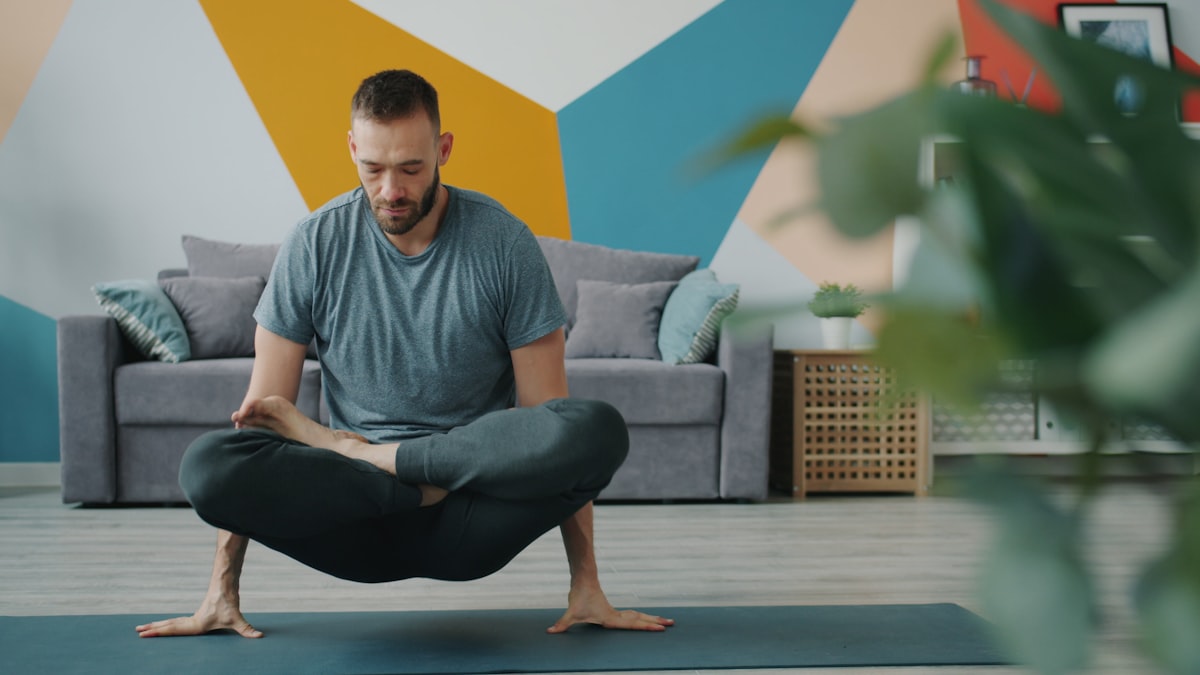
Flexibility Training Fundamentals
Understand the basic principles of flexibility training, including how muscles adapt to stretching and why consistency matters for long-term improvements.
Read Article →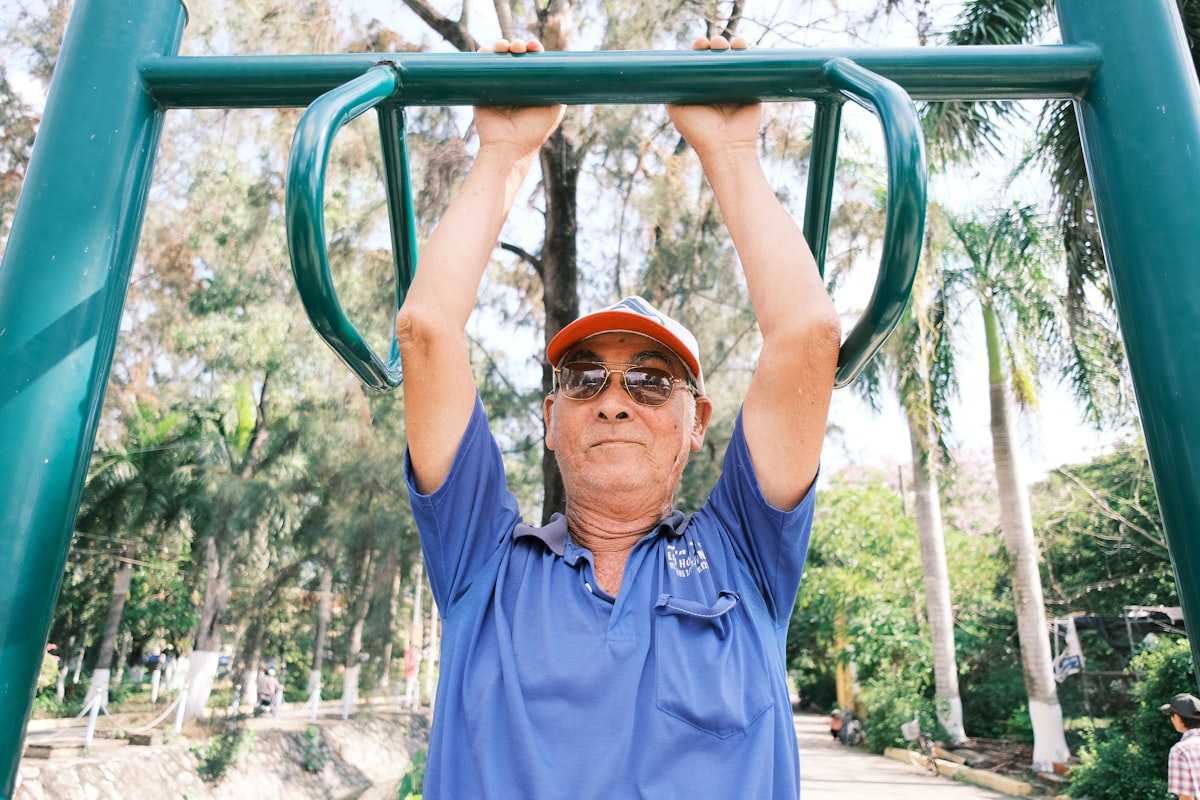
Safe Stretching Techniques
Learn proper form and safety considerations for flexibility training in older age, including when to push and when to back off to prevent injury.
Learn More →
Daily Flexibility Routines
Discover practical, time-efficient routines you can perform at home to improve flexibility, reduce stiffness, and maintain mobility throughout your day.
Explore Routines →Stay Updated
Subscribe to receive our latest articles and updates about flexibility training and movement quality for older men.
We respect your privacy. Unsubscribe at any time.